UKIYO-E, EDO JAPAN
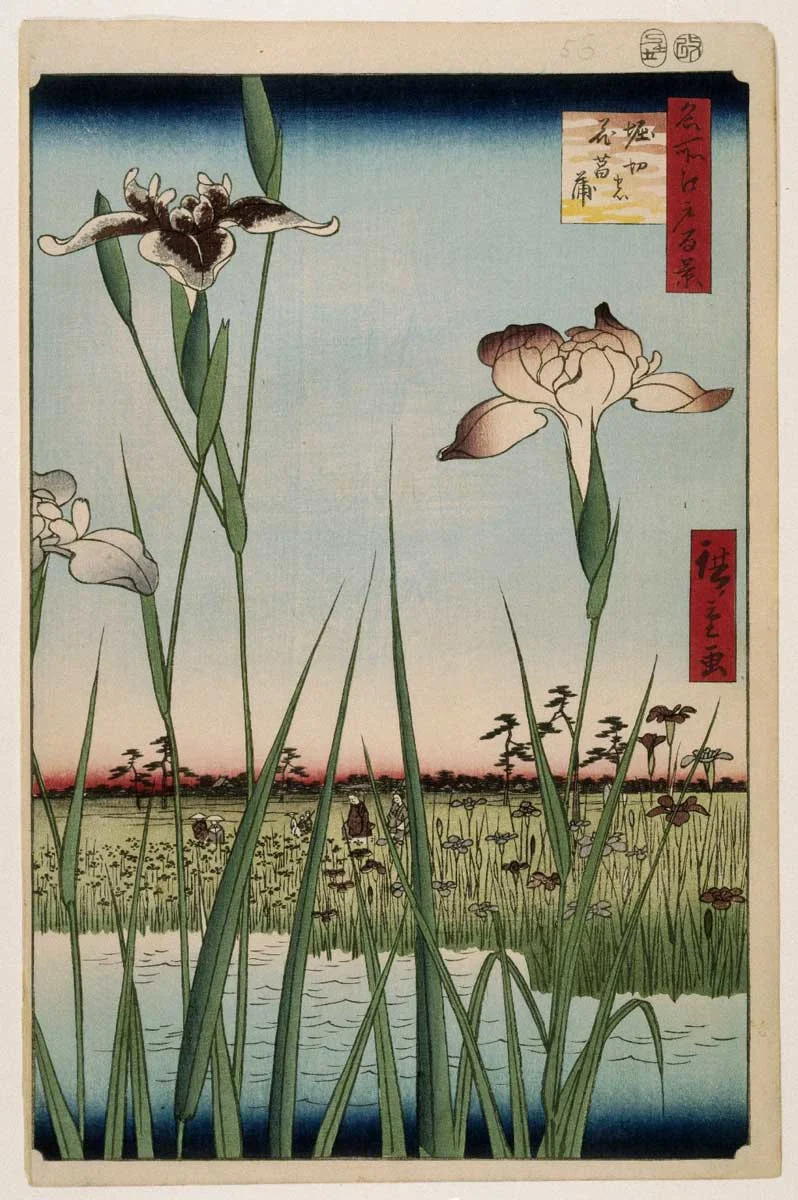
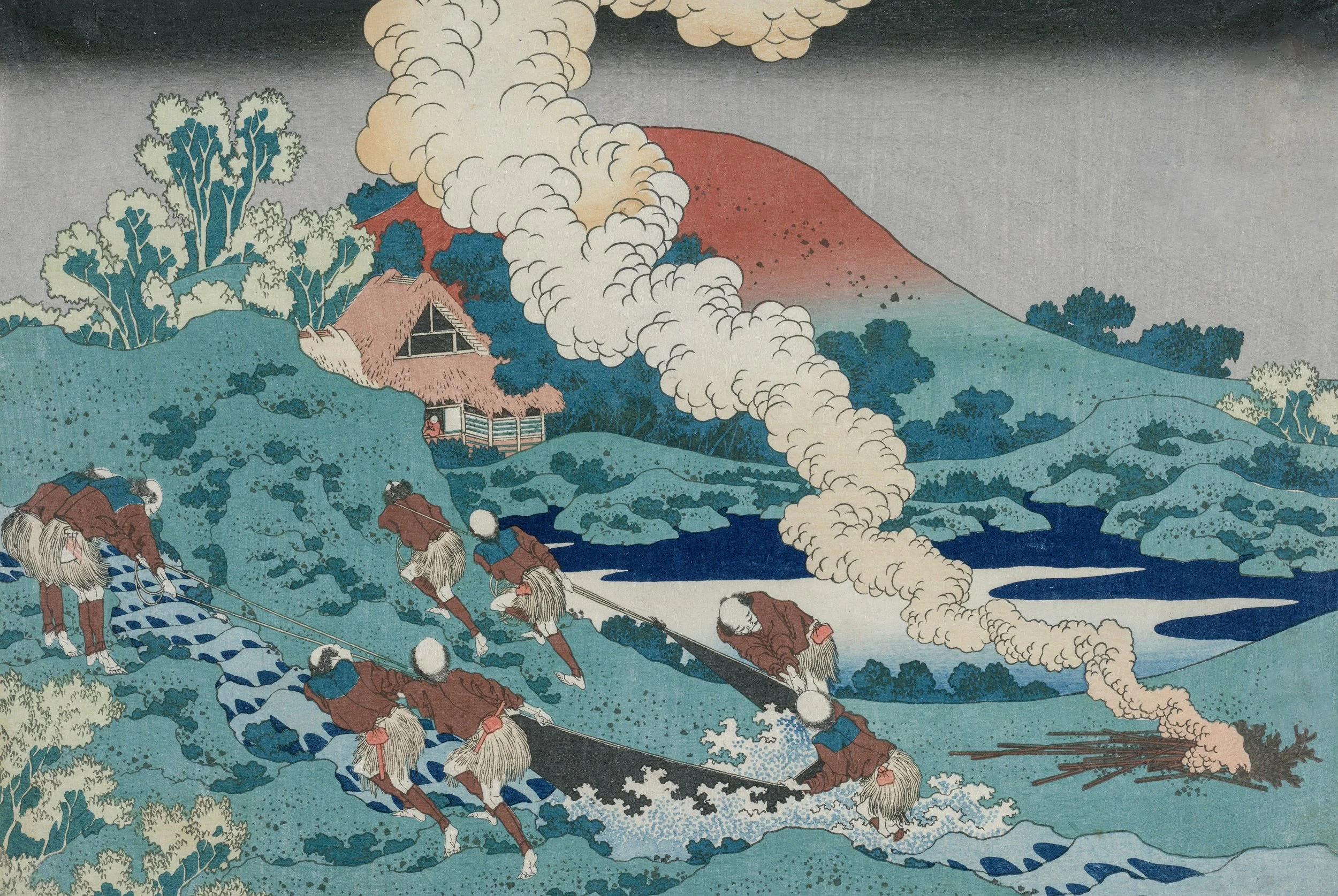
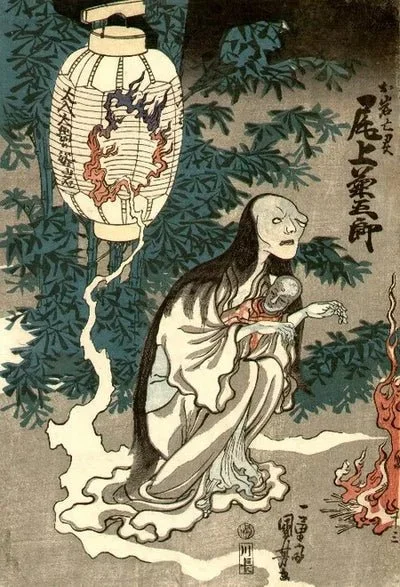
To honour our name, a Japanese food science term coined in the 1980s and 1990s which itself stems from the ancient and traditional “koku” in Japanese cuisine, we lean into a traditional Japanese style of art: the Ukiyo-e style from Edo-era Japan. Translating to “pictures of the floating world”, it aligns wonderfully for a travel-focused outfit. The pioneer of the colourful woodblock technique at the beginning of the Edo period, and likely the most famous , is Katsushika Hokusai (1760-1849). His “Great Wave of Kanagawa” is prominently displayed in all sorts of fashions.
We highly recommend Sarah Thompson’s lecture for the Museum of Fine Arts, Boston, if you, like us, enjoy diving full on into rabbit holes.
Read on for how we aim to remain inspired and respectful yet distinctive by using our own imagery and amending the style to incorporate African influence — where we are mostly based and from.
The images shown here are actual Ukiyo-e art pieces and can be found in the following museums which are either renowned for specialising in the style or have large collections: Tokyo’s Ōta Memorial Museum (specialist), Boston Museum of Fine Arts (large collection), Design Museum in Denmark (large collection, often has themed exhibits), and, of course ,the Japan Ukiyo-e Museum in Matsumoto (the largest collection in the world).
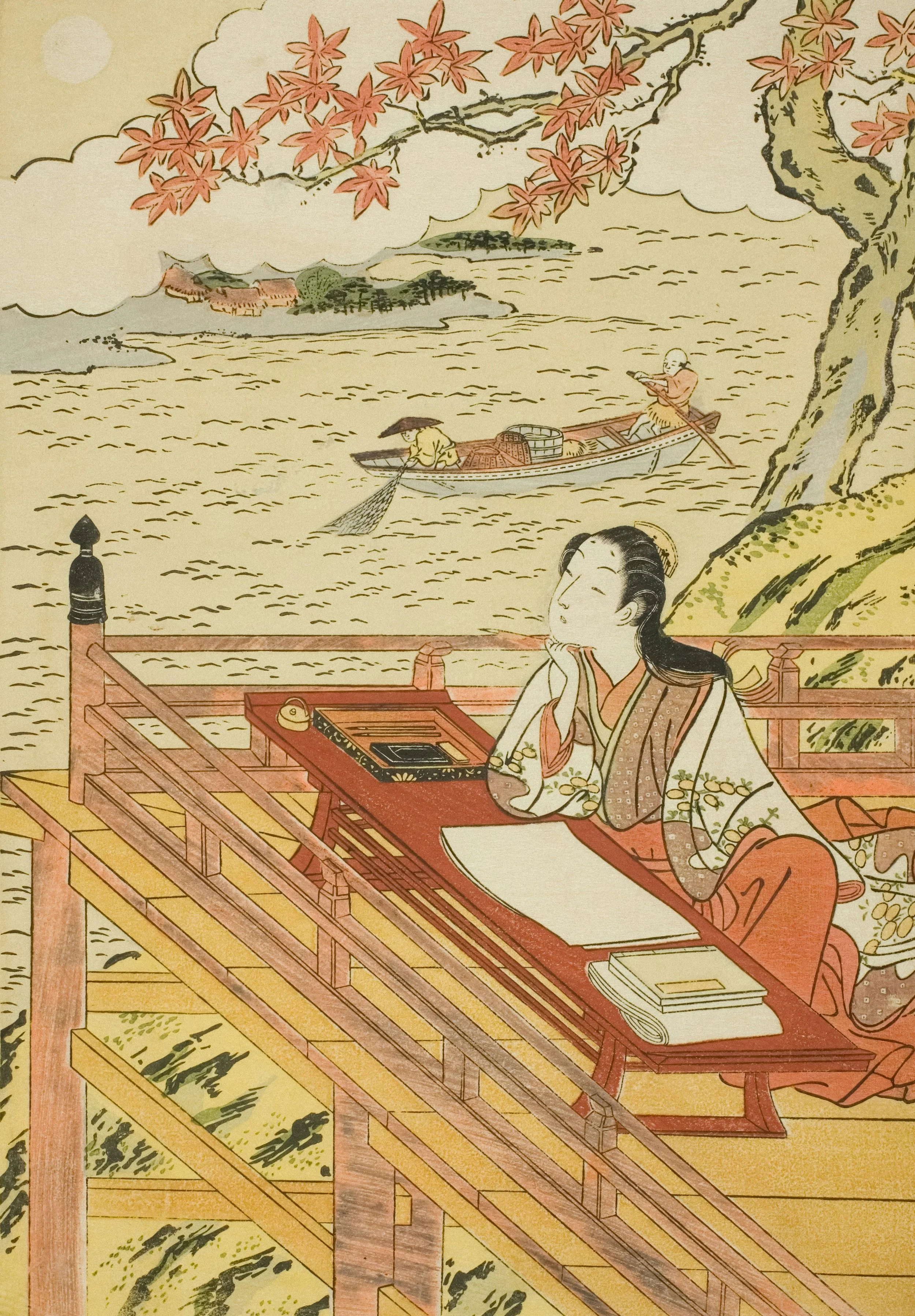
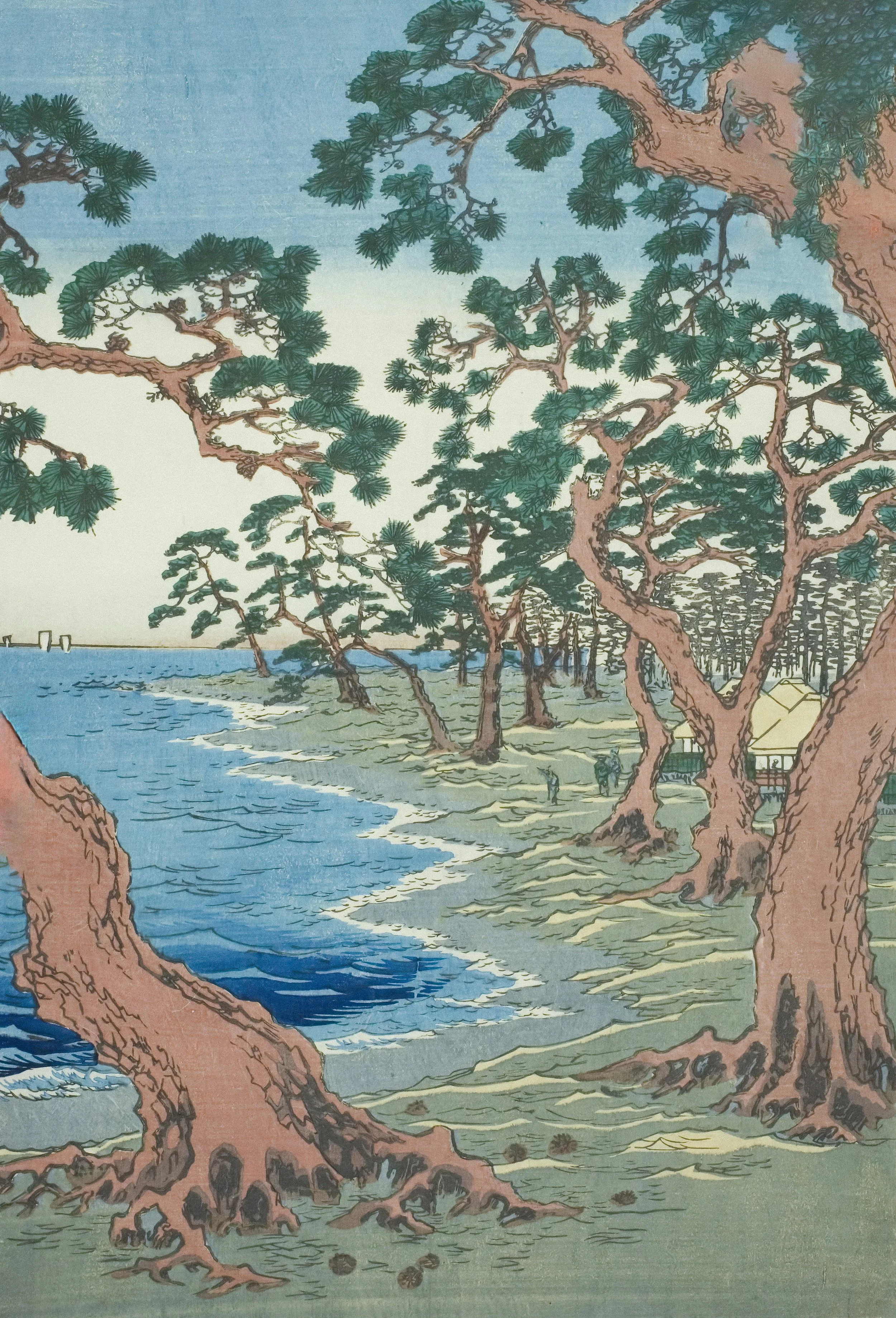
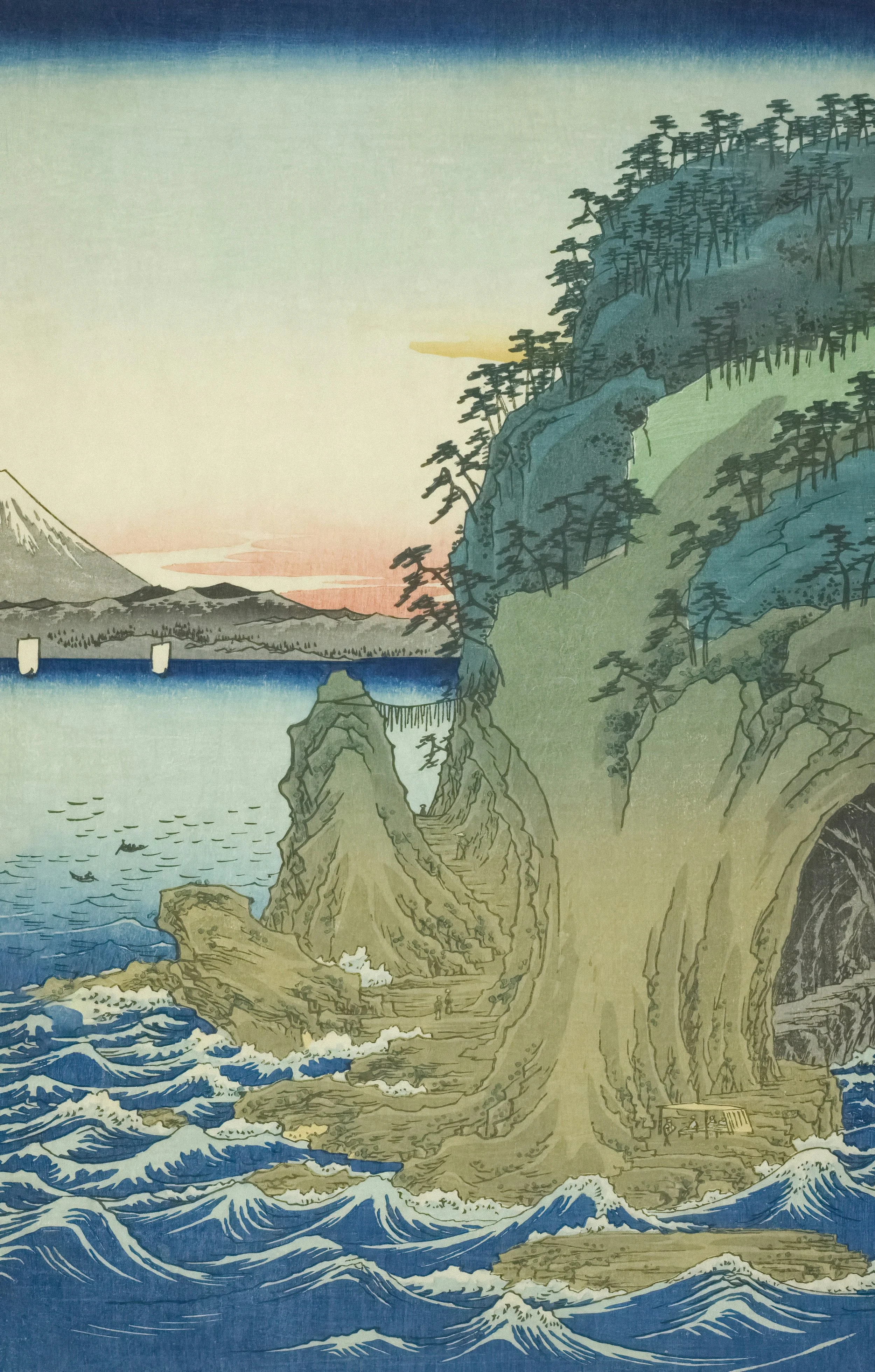
KŌKUMI’s Art - Japanese influence meets African visuals
In an effort to remain inspired by yet respectful and distinctive, we have infused a more modern, illustrative feel to our images. Our subject matter is a product of photos we have taken, places we have travelled to, and details of establishments and brands we have been lucky enough to interact or work with across the African continent.
Our collection can be browsed below. It is small and intentional, though we will keep adding as we explore further. As we grow and improve our skills, so will our pieces. At some point, we hope to offer these as prints for you to purchase in the near future.
Our Ukiyo-e Style Inspired Images
-
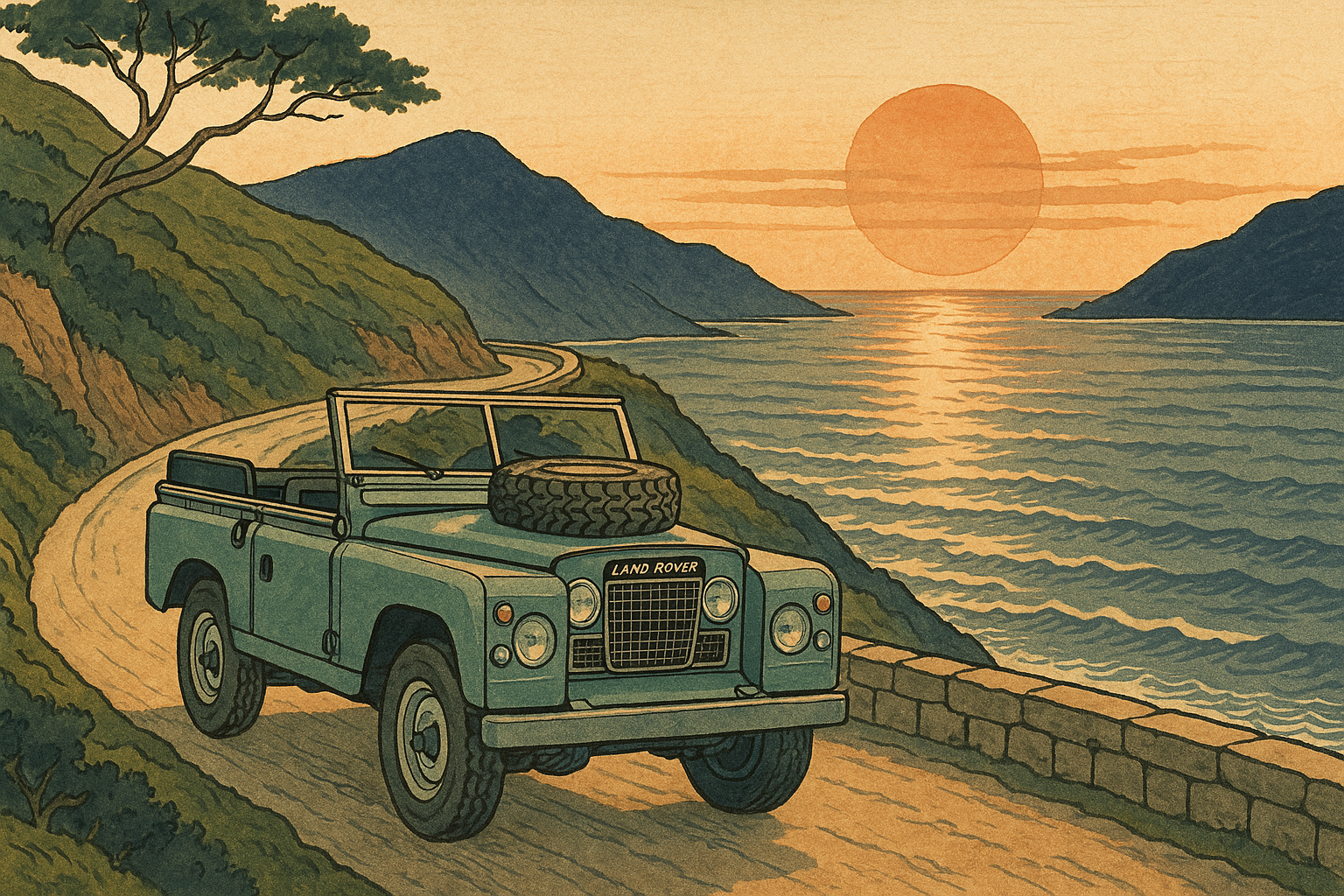
![vintage Land Rover on Champman's Peak]()
Vintage Rover - Chapman's Peak
-
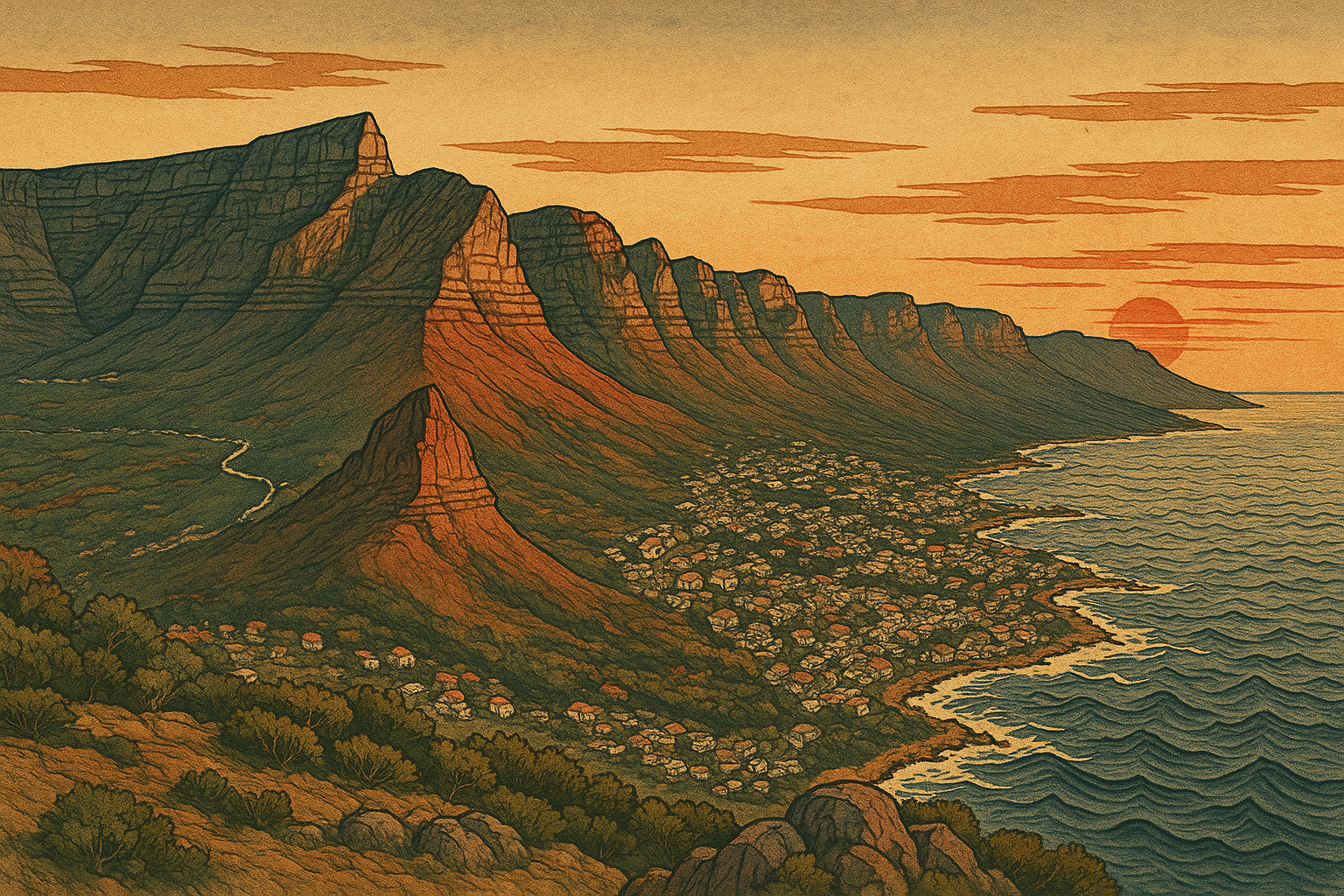
![Table Mountain and 12 Apostles Overlooking Camps Bay]()
Table Mountain & 12 Apostles Overlooking Camps Bay
-
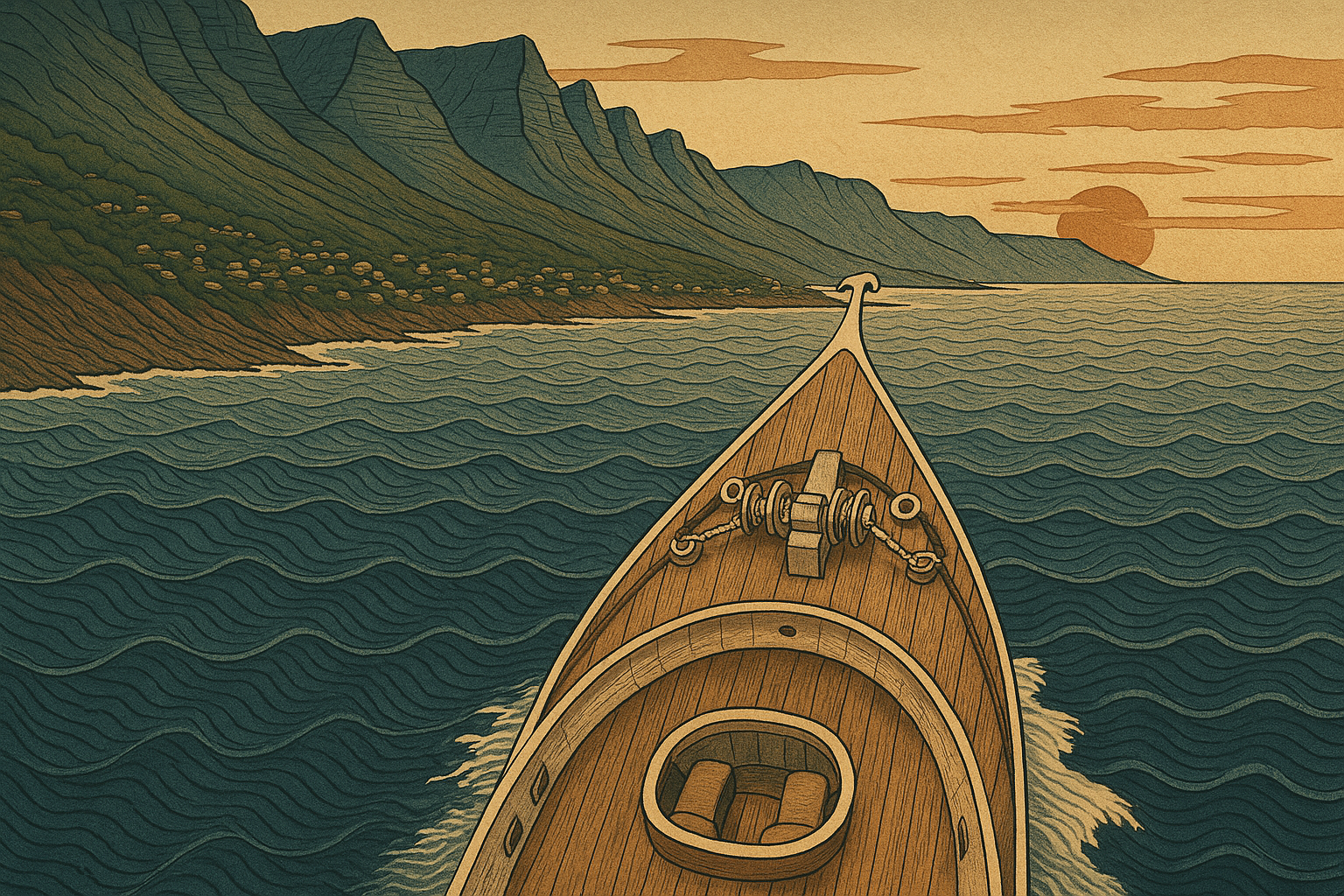
![boat heading down the cape coastline]()
Going Freediving - Cape Peninsula
-
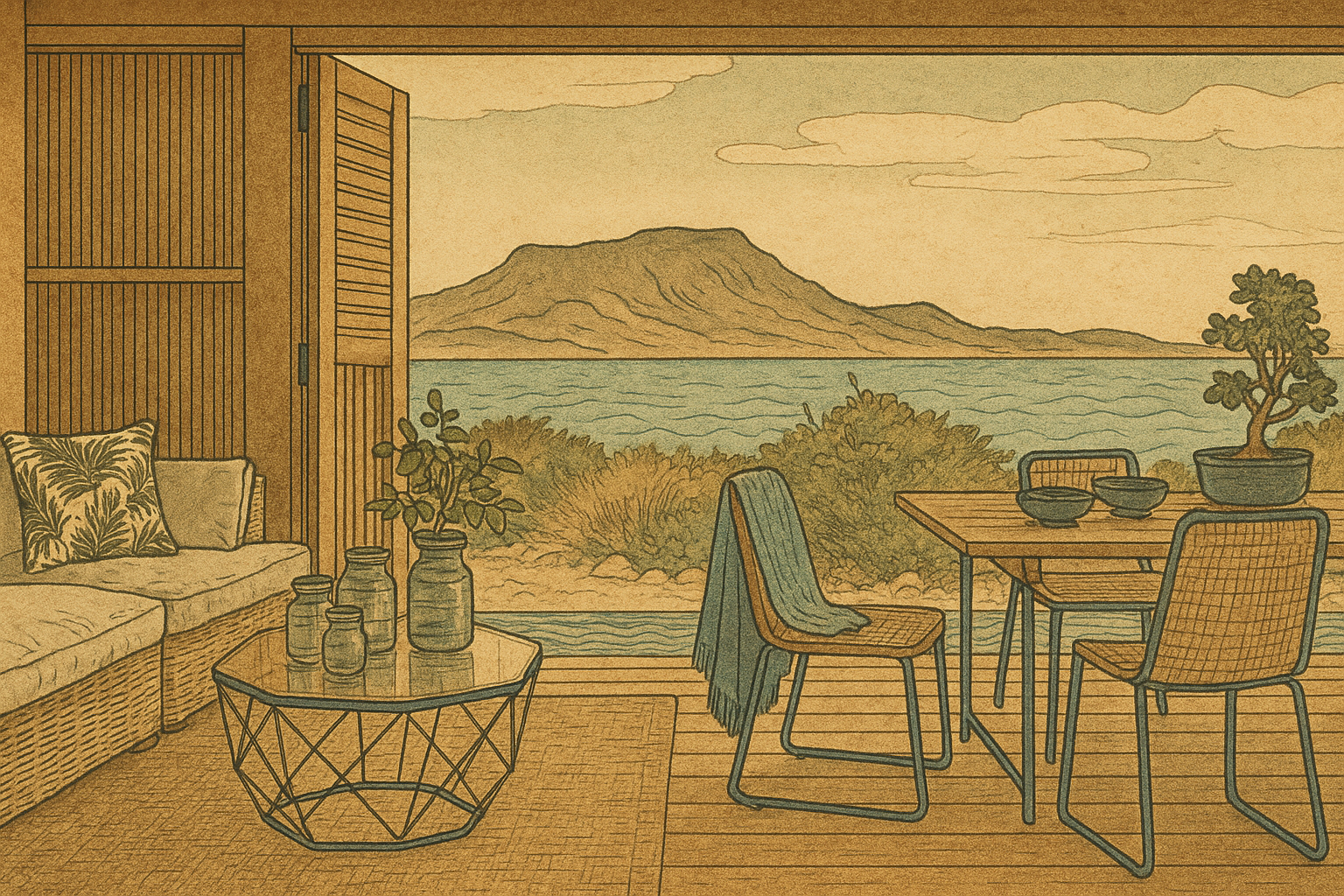
![interior of bungalow overlooking kraalbaai]()
Bungalow - Church Haven
-
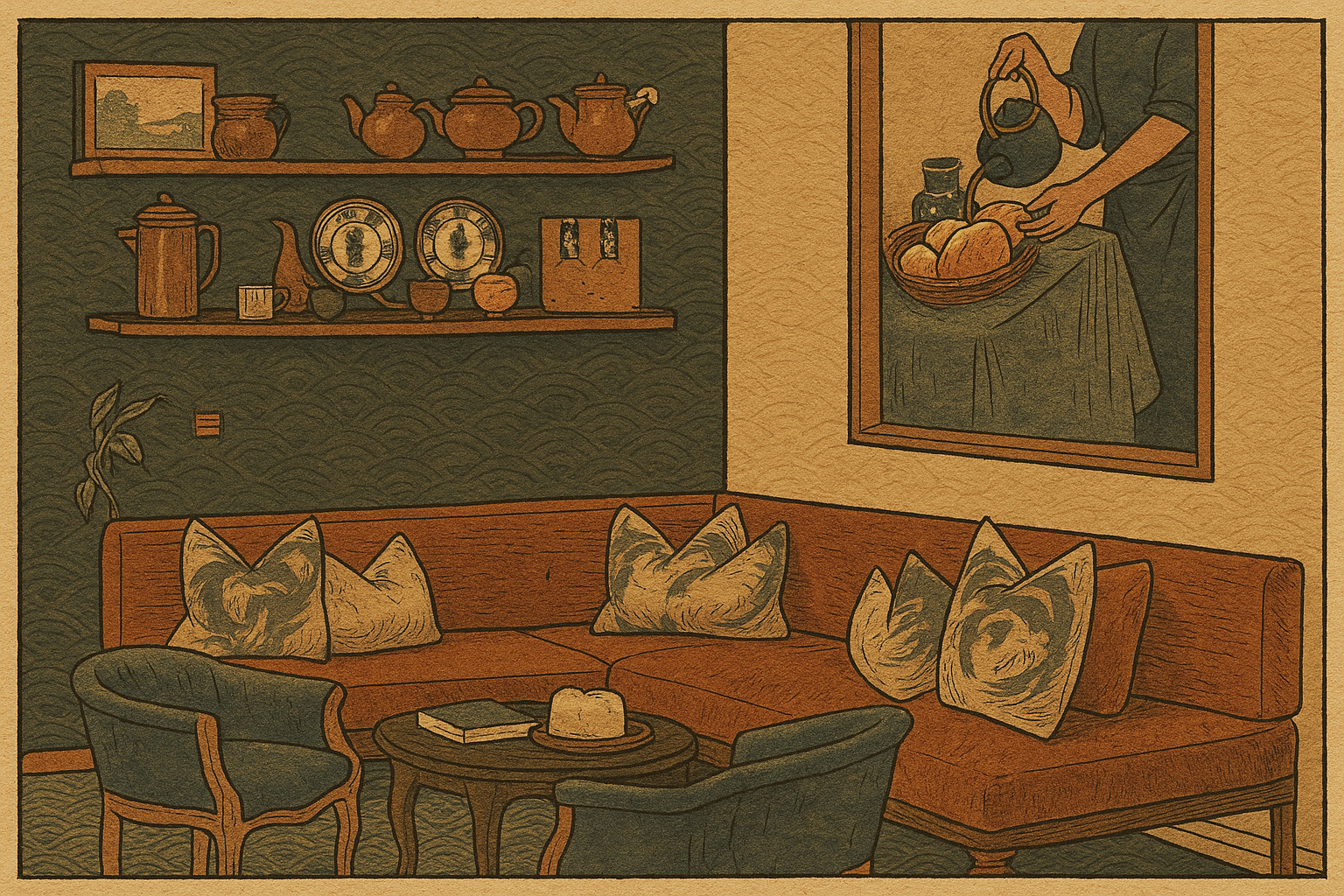
![Hotel shop interior of La Botessa in Cape Town]()
Interior - La Botessa, Cape Town
-
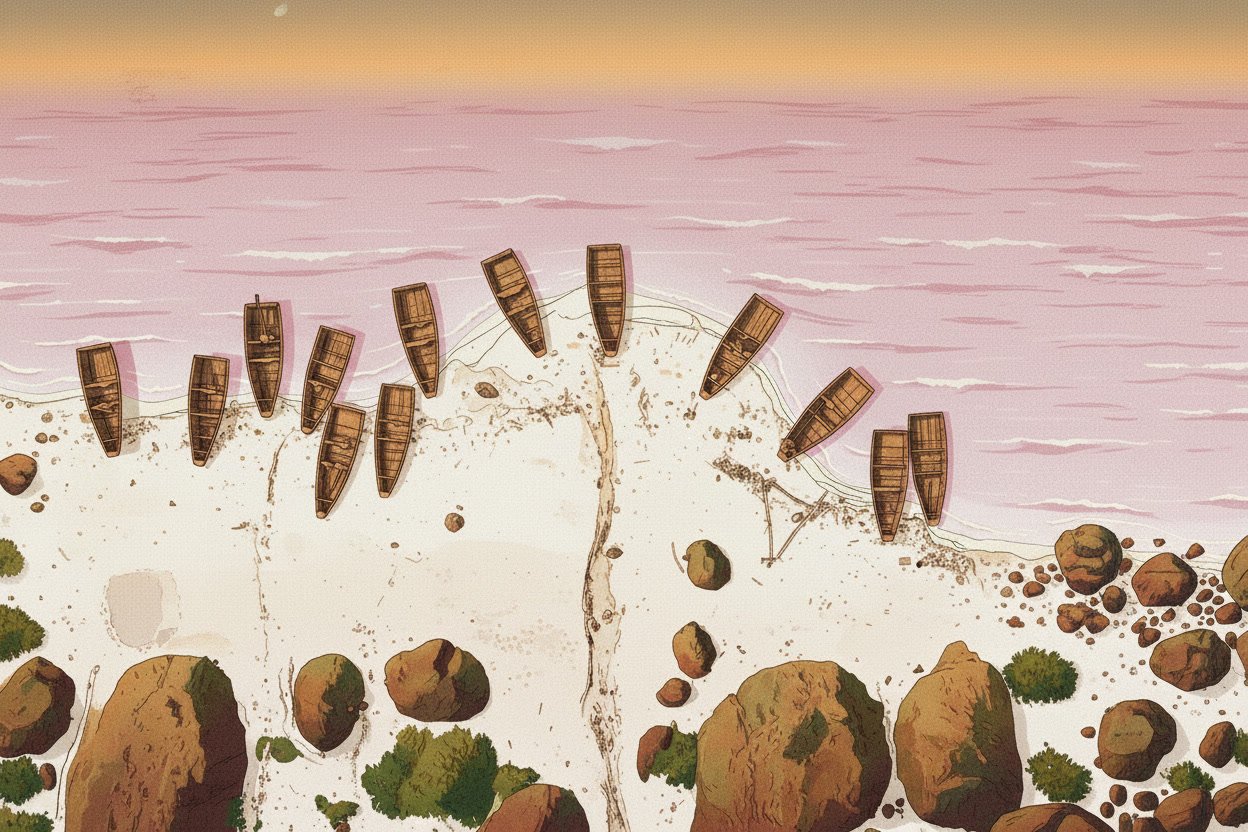
![Aerial shot of Lac Rose in Senegal]()
Lac Rose - Senegal
-
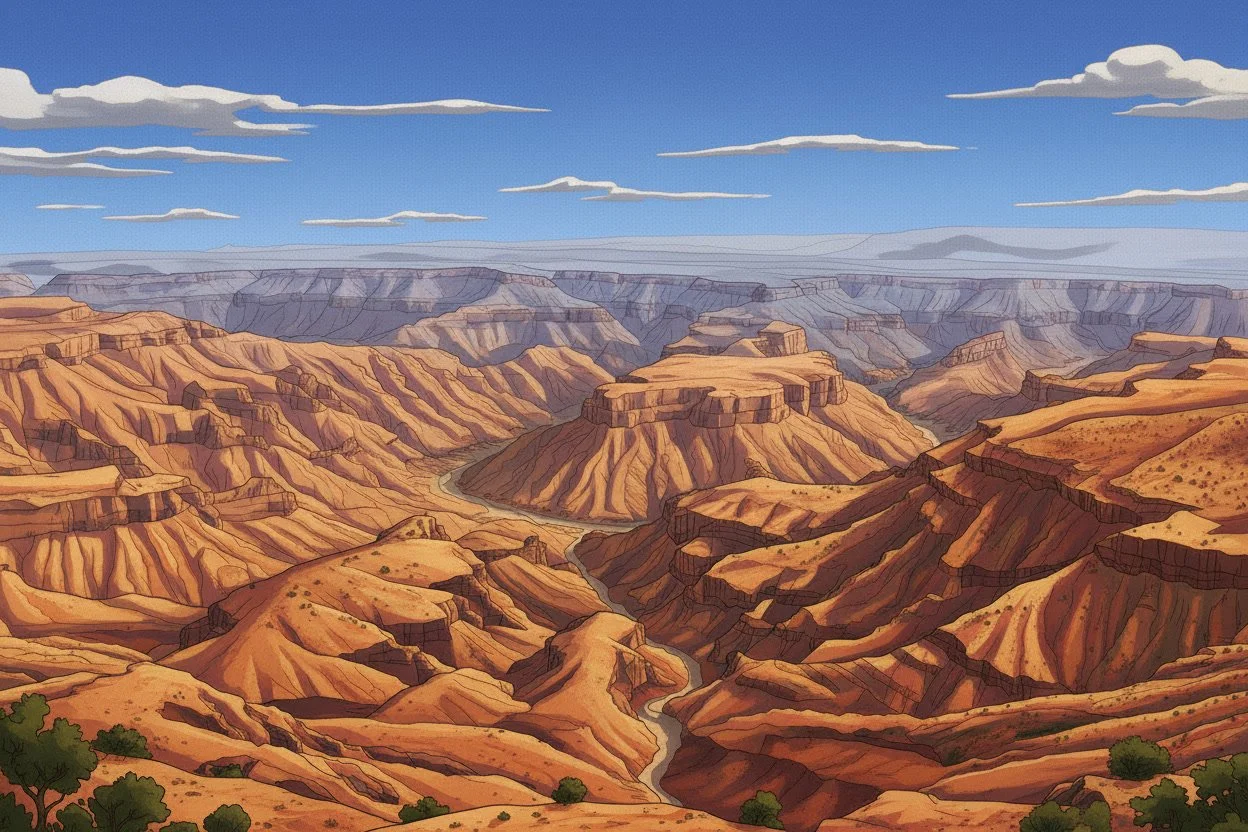
![Fish river canyon - Namibia]()
Fish River Canyon - Namibia
-
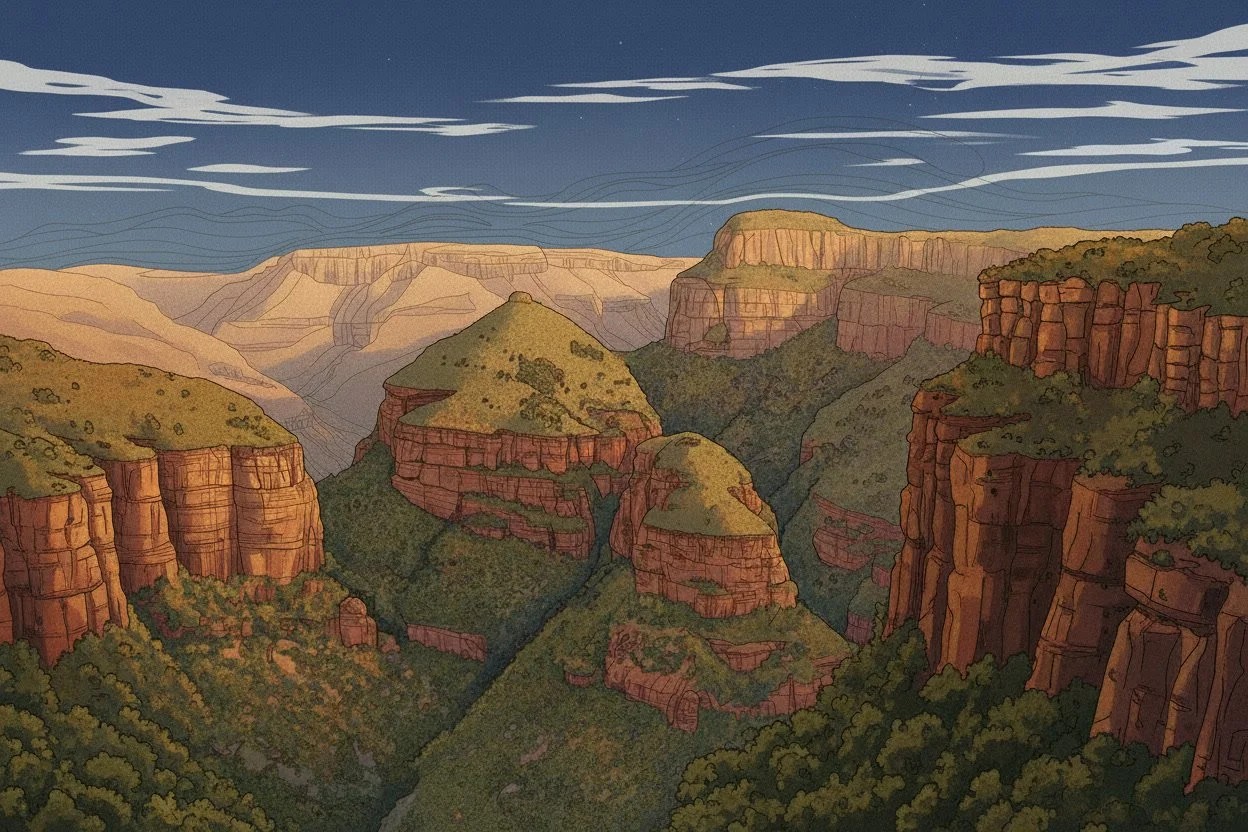
![World's End Blade River Canyon Mpumalanga]()
World's End - Mpumalanga, South Africa